LESSON 1: PART 1:
THE FOUR FACES OF THE VISION: The Ox
Key Verse: “Take My yoke upon you and learn from me, for I am gentle and humble in heart, and you will find rest for your souls. For My yoke is easy and My burden is light” (Matt. 11:29-30 NIV).
Key Scriptures:
Ezekiel 1:4-10
John 13:14-17
Philippians 2:7
2 Timothy 4:5
Luke 10:18
Matthew 9:37
1 Corinthians 9:9, 19
Objective: The purpose of this lesson is to explain the four “faces,” or values, of the vision and to explain how being a servant is the best way to bring others to Christ.
Introduction: In Ezekiel 1:4-10, the prophet Ezekiel had a stirring vision from God. This Old Testament saint saw four massive beings within a great cloud in the midst of a windstorm. Each creature had the form of a man, but each had four faces: the face of an ox, a man, an eagle, and a lion. These same creatures are also described in Ezekiel 10:14 and Revelation 4:6-8. For some reason, these four faces are important to God, and He wants them right near His throne.
These four faces represent four “faces” of God’s vision for the world. Some scholars say they also represent the four Gospels. Regardless of their exact meaning, they are creatures of life and represent life in God in all its fullness. For that reason, we are going to examine each face in detail and what it means to you as you continue your discovery of God.
I. What is the significance of the four faces?
A. Israel used these same four faces.
- According to Alfred Edersheim in Bible History: Old Testament (Logos Research Systems, Inc., Oak Harbor, 1997), Israel had these four faces on the banners that they marched behind in the wilderness.
a. Four tribes led the way in the march. Juda (the lion) was first, and they had two other tribes with them. Then came Reuben (the man) and two other tribes. Third came Ephraim (the ox) with two more tribes, followed by Dan (the eagle) with the last two tribes.
b. When all the tribes were camped together, an interesting formation occurred. It was quite a sight to behold: twelve tribes in the shape of a cross, with the three-tribe groups aligned in each direction.
2. From this, we can see looking towards the cross and what it stands for. The cross of Christ is the central value of God’s vision.
B. The four faces represent the four __________________ of the vision of God.
- They are the faces (values) with which we Christians march into the world. We must have each of these values operative in our lives in order to be powerful, effective Christians.
- As you discover your purpose and calling on your journey of faith, you’ll find that everything begins with the first value: serving, or the: face of the ox.”
II. What is the face of the ox?
A. The face of the ox represents _______________________ (John 13).
- Jesus gave the best example of serving when He washed the feet of His disciples. No one in the group at the Last Supper wanted to assume this menial, dirty job of washing feet.
- Christ took the basin and towel and carefully cleaned the dusty feet of the Twelve. He said, “Now that I, your Lord and Teacher, have washed your feet, you also should wash one another’s feet. I have set you an example that you should do as I have done for you. I tell you the truth, no servant is greater than his master, nor is a messenger greater than the one who sent him. Now that you know these things, you will be blessed if you do them” (John 13:14-17 NIV).
- Christ took upon Himself the form of a servant (Phil. 2:7). His heart was not proud. He said, “Take my yoke upon you and learn of me; for I am meek and lowly in heart” (Matt. 11:29 KJV).
B. _______________________ is the secret to multiplication.
- Many animals become useful only after their wills are broken. Then they are no longer stubborn, rebellious, and independent. They become faithful, loyal, and humble.
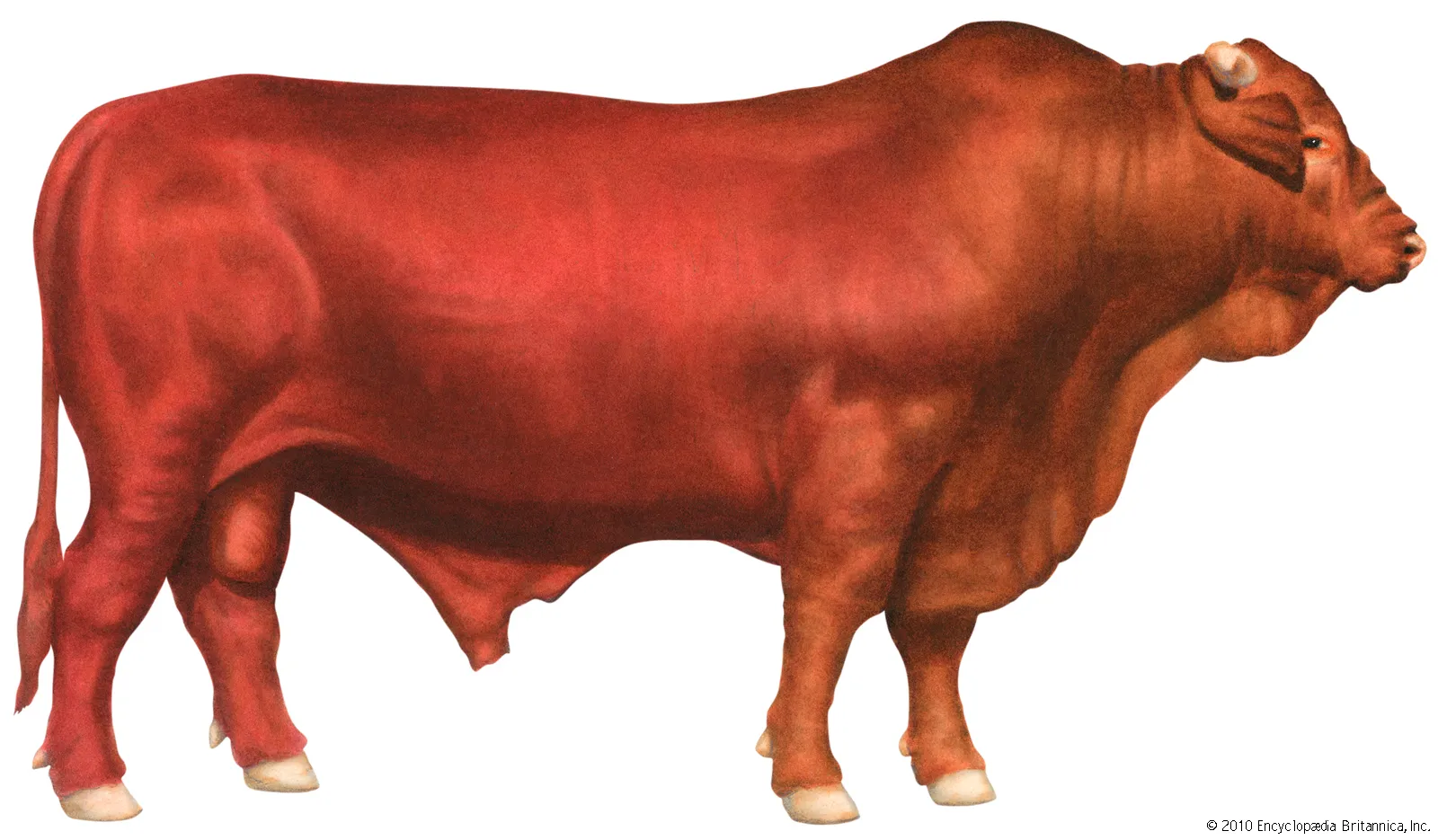
- An ox, for example, must be broken before it can serve under a yoke. It can plow only after it has learned to surrender its will to its owner.
- Satan is arrogant and proud. He left heaven in rebellion (Luke 10:18). Lost people are called disobedient because their hard hearts keep them from obeying the Gospel (1 Pet. 2:7-8). They are not yet broken.
- Brokenness comes from a revelation of the cross. Your will must bend and break in the same way Jesus surrendered His will at Gethsemane when He said, “Not as I will, but as you will” (Matt. 26:39b NKJV). Submission to God’s authority is essential.
- Christ broke the loaves before He multiplied them. He also said that “unless a grain of wheat falls into the ground and dies, it remains alone; but if it dies, it produces much grain” (John 12:24 NKJV). Brokenness and “death” always precede multiplication.
C. The ox is a worker in the _______________________.
- An ox is involved in all aspects of the harvest: the plowing, the reaping, and the threshing. One ox can produce an entire crop for the farmer. The ox represents the “work of an evangelist” (2 Tim. 4:5).
- Jesus said, “The harvest is plentiful, but the workers are few” (Matt. 9:37 NIV). The ox represents the patient, diligent work of a soul-winner, a person who is praying, cultivating relationships, sowing spiritual seed, and reaping the harvest.
- In Level 2, you will learn how to be a fruitful soul-winner through prayer and witnessing. You will become a spiritual ox!
D. ____________________ is the secret to winning souls (1 Cor. 9:9’19).
- Paul referred to the ox’s threshing of the wheat and thus having a right to the harvest (v. 9). He also said, “I have made myself a servant to all that I might win the more” (v. 19 NKJV).
- You will win people to the Lord when you serve them. Someone said, “People don’t care how much you know until they know how much you care.” When you serve them in practical ways, it opens their hearts to your message. This is called servant evangelism, and it is the face of the ox in action.Summary: God has a big vision for the entire world! He longs for everyone to come to a saving knowledge of the truth and to spend eternity with Him in heaven. As Christians, we have the wonderful privilege of sharing God’s vision with those who do not yet know Him.
God’s vision has four “faces,” or values that help us understand it. The first value is serving others. When we embrace that value, we are like the hardworking, faithful ox that serves its master in the harvest. We allow God to “break” us, and we willingly get into the yoke of service to others. This is servant evangelism, and it is the best way of winning others to Christ.
Questions and Discussion Points
- What does the face of the ox represent, and why is the ox a good example of this
trait?
- Jesus’ ministry largely consisted of service to others. List some ways that Jesus
served. What can you learn from His example of serving?
- Why do so few people want to serve? Are you willing to serve in any way? Are there limits to what you will do for God? Examine your heart in this area.
- Do you know someone that you could reach out to through servant evangelism?
What could you do for that person? Make plans to do it this week!
Assignment
Why must we be “broken” before we can be useful in God’s kingdom? Have you ever experienced this breaking in your life? Are you willing to undergo continual breaking that you might be used of God? In which areas of your life do you need breaking
(This assignment is confidential in nature, hand it over to your Pastor/Guide who will pray with you).
The Four Faces of the Vision: The Ox
Scripture Memory for Level 2, Week1
““Take My yoke upon you and learn from me, for I am gentle and humble in heart, and you will find rest for your souls. For My yoke is easy and My burden is light” (Matt. 11:29-30 NIV).
Monday: Acts 1:1-2:5 ___________________________________________________
______________________________________________________________________
Tuesday: Acts 2:6-36 ___________________________________________________
______________________________________________________________________
Wednesday: Acts 2:37-3:20 ______________________________________________
______________________________________________________________________
Thursday: Acts3:21-4:24_______________________________________________
Friday: Acts 4:25- :18___________________________________________________
______________________________________________________________________
Saturday: Acts 5:18-6:7________________________________________________
Sunday: Acts 6:8-7:23 _________________________________________________
Special Prayer Requests ________________________________________________
______________________________________________________________________